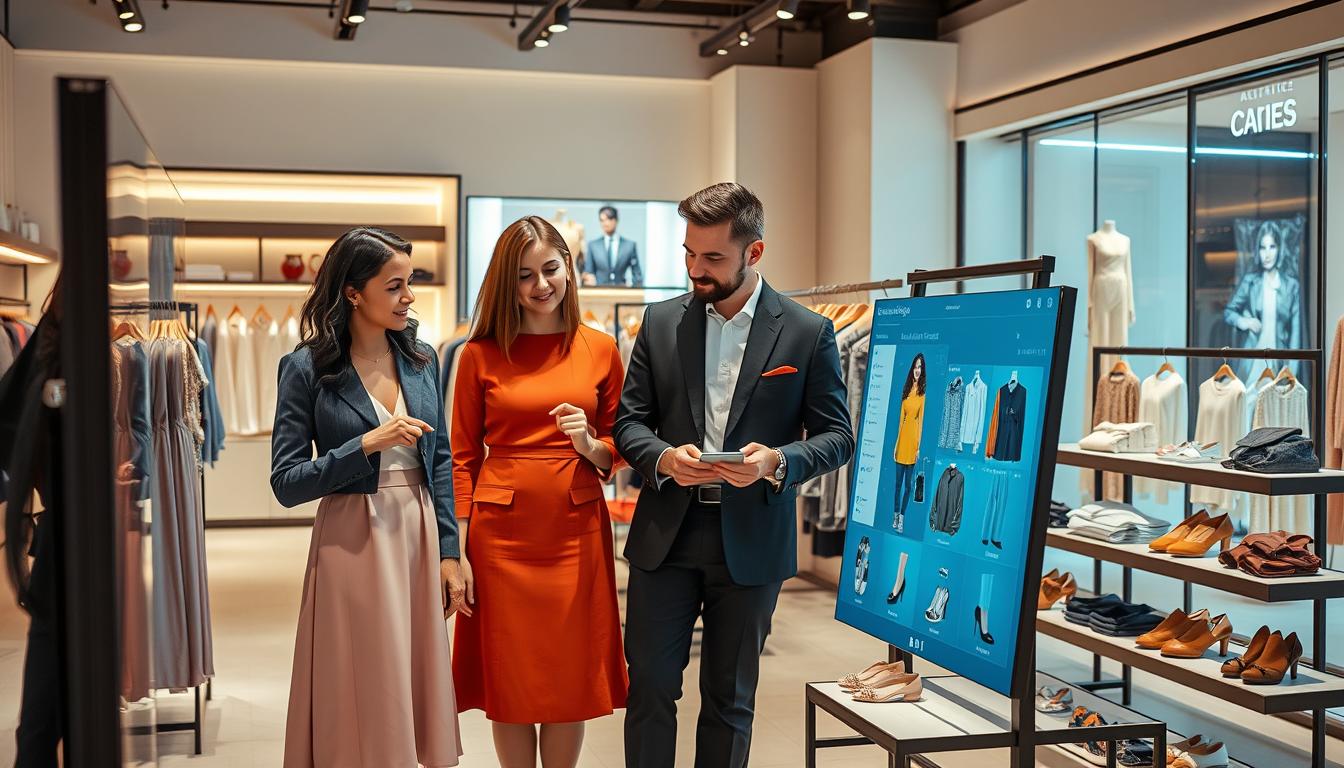
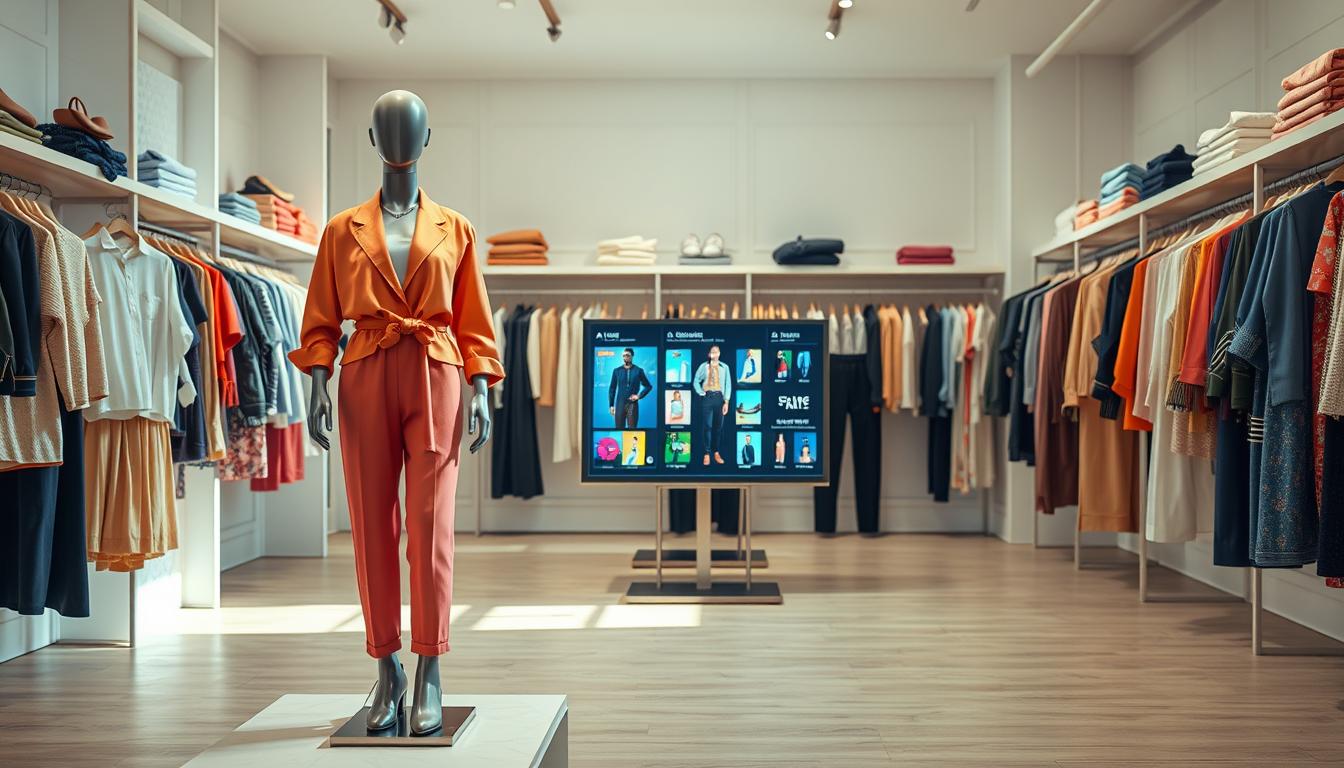
AI-suggested style bundles are curated sets of used clothes hand-picked by a reseller to match a buyer’s taste. Instead of single listings, the system uses customer inputs to recommend a cohesive bundle of pieces that fit an aesthetic and occasion.
This guide targets US resellers and boutique operators who want to scale personalization without losing quality. Typical configurations range from small packs of three to five pieces to larger sets of seven to ten items.
Price is usually predetermined and visible on the page, and people pay for convenience, curation, and expertise as much as for the products. A clear scope — how many pieces, item types, and condition standards — reduces surprises.
The article walks through bundle strategy, inventory sourcing, a customer style quiz, AI attribute ranking, merchandising on the page, and operations and timelines. AI speeds consistency and saves time, but the seller must set rules and guardrails to keep returns low and customer satisfaction high.
Key Takeaways
- AI helps recommend cohesive sets so people choose less and enjoy more.
- Offer defined sizes: small (3–5 pieces) and large (7–10 pieces) for clarity.
- Show a transparent price and clear scope to manage expectations.
- Follow a workflow: strategy → sourcing → quiz → AI ranking → merchandising → ops.
- Plan operations and turnaround time to protect quality and reduce returns.
Define your bundle strategy and categories customers actually buy
Define the formats you’ll offer, then match each to a customer need and a predictable price point. Keep options focused to reduce decision time and ease fulfillment.
Format choices and use cases
Offer small sets (3–5 pieces) for a trial refresh and larger sets (7–10 pieces) for seasonal capsules. Tie each format to a clear price range so buyers know value up front.
Themed categories and surprise options
Name categories so they are instantly recognizable: “Workwear Week,” “Vacation Capsule,” or “Wedding Guest.” Add an optional surprise bundle where buyers supply a size and budget.
Rules to prevent returns
Keep every bundle in the same size and, where possible, the same brand name. Avoid stained items and random extras so sets feel like cohesive outfits.
“Clear scope and consistent pieces cut returns and raise loyalty.”
| Format | Pieces | Use case |
|---|---|---|
| Small | 3–5 pieces | Try-on refresh — lower price |
| Large | 7–10 pieces | Seasonal capsule — mid price |
| Surprise | 3–7 pieces | Size-only order — set price |
Kids section
Kids outfits sell best up to 4T. From 5T and up, tops and bottoms often differ; list separately when sizes split to avoid low conversion for older kids.
Source inventory that makes bundling easy at scale
Group incoming stock into predictable lanes so your team and AI can build consistent, on-theme sets rapidly.
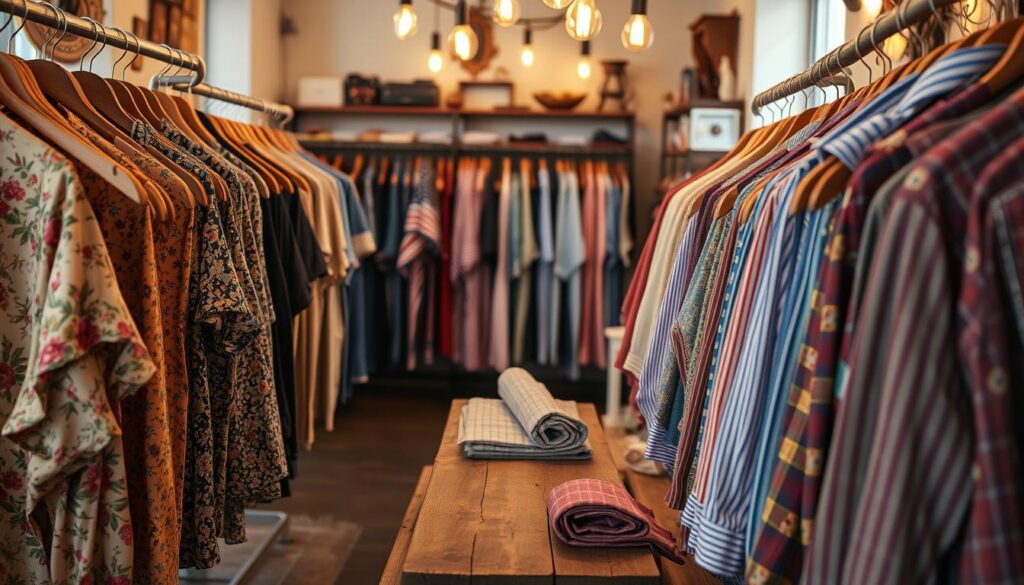
Why structure matters: Consistent wholesale categories remove the need to hunt for one-off things. When you buy by category, assembling repeatable sets becomes a process, not a puzzle.
Wholesale categories that map to repeatable outfits
- Vintage graphic shirts, long sleeve shirts, and branded sweatshirts — dependable tops for mix-and-match.
- Jeans (Levi’s 501, Wrangler) and neutral pants — sturdy bottoms that pair with many tops.
- Denim jackets and light outerwear — the layering piece that completes a pair-ready wardrobe base.
Practical rules for scalable sourcing
Stock depth matters: maintain size coverage across shirts, jeans, and pants so AI rarely substitutes. Track brand name mixes by the pound for reliable inventory.
“A well-tagged intake beats a frantic search — tag type, color family, season, and condition on arrival.”
Balance variety vs. consistency: Keep a few statement pieces in each lot, but prioritize basics so most orders deliver expected fits and fewer returns.
Collect the right customer inputs with a style quiz your AI can use
A well-designed quiz turns vague preferences into concrete attributes your model can rank. Treat the quiz as the data bridge between intent and accurate AI picks. Better inputs mean fewer fit problems and happier people.
Measurements that cut fit issues
Collect height, waist, bust, hips, and inseam. Ask customers to measure a favorite pair of pants or jeans for length to confirm preferred fit across brand name variation.
Favorites, dislikes, and sensitivities
Record favorite colors, patterns, fabrics, sleeve lengths, necklines, and preferred cuts. Note least favorites and fabric sensitivities (itchy wool, allergies) so the model avoids problem items and reduces returns.
Visual inspiration and context
Invite a Pinterest board link and an optional Instagram handle to map vibe to outfit options. Repeated motifs on a board help the model weight items and pieces toward a clear style direction.
Budget, dream finds, and account storage
Confirm price range and any “dream finds” so recommendations match expectations. Save quiz results to the customer account to speed repeat orders and improve accuracy over time.
How to sell clothing bundles using AI-driven suggestions
Convert a customer’s style inputs into ranked attributes so the system picks coordinated outfits. The AI turns quiz answers into tags: style, color palette, fit, and occasion. Each tag becomes a scoring rule that ranks inventory matches.
Translate quiz answers into model attributes
The model scores inventory by style tags, dominant palette, fit tolerances, and event type. Higher scores mean higher match priority. This simple workflow keeps recommendations relevant and repeatable.
Recommend complete outfits, not random items
A complete outfit usually means 3–5 pieces: a shirt, jeans or pants, and a layering piece. Larger sets add alternates and seasonal items. The AI assembles coordinated tops, bottoms, and layers instead of unrelated items.
Guardrails and surprise picks
Never mix sizes in one package. Exclude low-quality filler or hidden flaws. For vintage items, disclose normal wear but remove stained or torn pieces.
“Clear rules on size, condition, and content build trust and cut returns.”
| Rule | Why it matters | Action |
|---|---|---|
| Keep same sizes | Prevents fit mismatches | Filter by size before packing |
| No filler | Maintains perceived value | Set minimum condition grade |
| One surprise max | Delights without risk | Match palette and fit; cap price impact |
Merchandise clearly on the page
List the number of pieces, example item types (shirts, jeans), and what is excluded (shoes, accessories). Offer swap requests before shipping to reduce returns and messages to the seller.
Price, fulfillment, and operations for profitable bundles
Set simple, transparent pricing and realistic timelines so each order ships with confidence.
Pricing logic: your posted price covers more than the clothes. It must factor sourcing, styling expertise, coordination, and customer communication time. Add shipping and packaging costs into each tier so margins stay healthy.
Predetermined tiers that scale
Offer fixed tiers aligned to size: small (3–5 pieces) and large (7–10 pieces). Show what buyers can expect at each price point. This reduces questions and speeds conversion.
Budget-led option
Let customers set a price cap while you decide the number of pieces delivered. This model simplifies negotiation and gives the seller operational control over sourcing and quality.
Fulfillment steps and timelines
Follow a repeatable workflow: pick confirmation → quality check → fold/pack → consistent package presentation. Communicate a clear lead time; two to three weeks is common for curated orders. Underpromise rather than rush to protect quality.
“Limit active orders when your queue is full to keep satisfaction high.”
| Item | Small Tier | Large Tier |
|---|---|---|
| Pieces | 3–5 | 7–10 |
| Typical price range | $40–$80 | $120–$220 |
| Turnaround | 2 weeks | 2–3 weeks |
| Package presentation | Basic branded wrap | Premium boxed pack |
Operational safeguards: document what went in each package, keep notes for repeat buyers, and track outcomes so recommendations improve. Protect perceived value by setting realistic expectations—don’t promise premium vintage at a low price.
Conclusion
End by comparing your flow to a well-indexed book: clear sections make choices easy and speed decision reading.
Summarize the system: define strategy, keep inventory consistent, collect high-signal quiz inputs, and let AI recommend coordinated sets with strict guardrails.
The promise: customers commit when they see the exact count of pieces, the types of items, and a transparent price.
Operational takeaway: align pricing to labor and allow realistic lead time to protect quality and margins.
Quick checklist: pick 2–4 categories, build a quiz, tag inventory, set pricing tiers, publish clear page merchandising, and track returns to refine weights and rules.
Focus on consistent expectations, cohesive styling, and neat presentation to turn one order into repeat purchases.