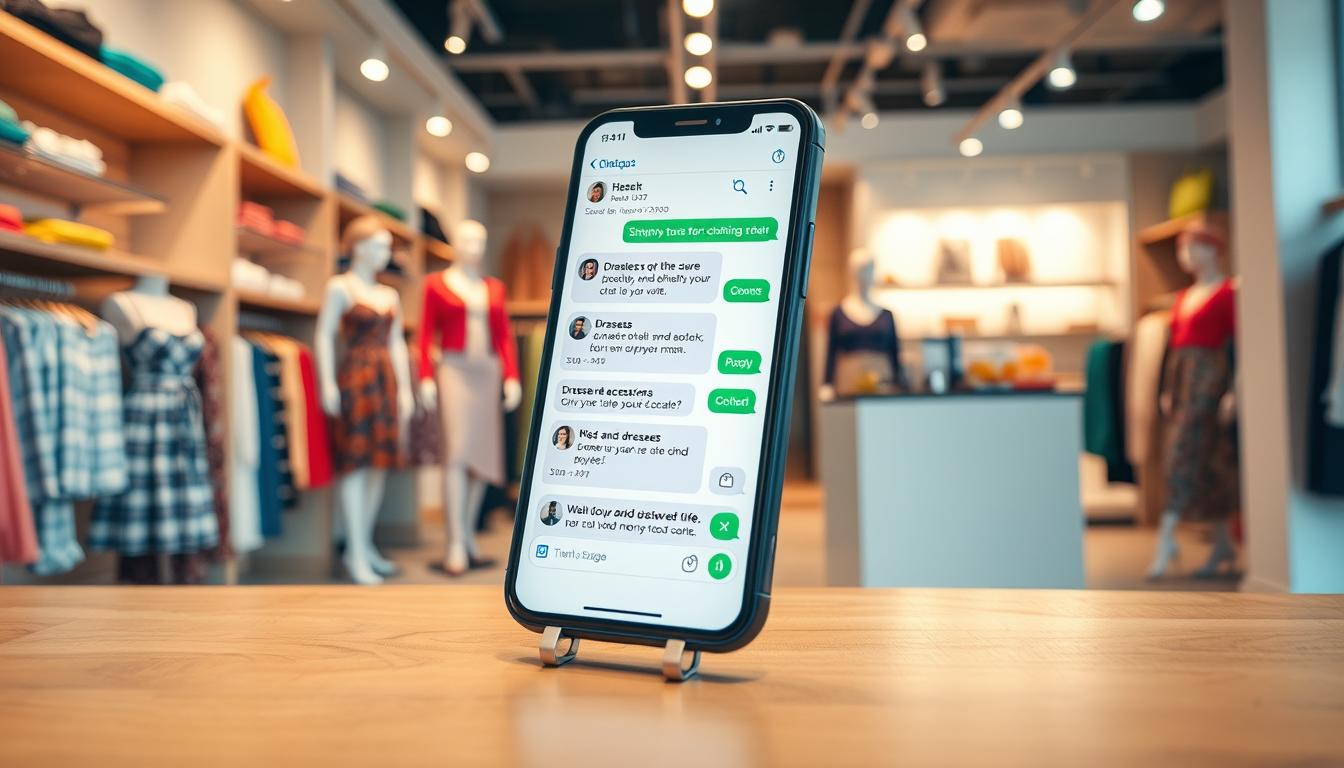
Set up a smart store inbox that works around the clock. A retail chatbot on WhatsApp helps stores handle common customer messages fast. Shoppers get quick replies about sizes, stock, and shipping while staff focus on tougher questions.
This guide walks you through practical steps. You will plan your flows, pick no-code tools, connect WhatsApp Business, and build keyword-based triggers. Then you add an AI layer to handle broader questions and improve responses over time.
Expect real business impact. Faster response times improve the shopping experience and reduce missed sales during promotions. Use a human + automation model: bots handle routine queries, and agents take over for exceptions, complaints, or complex orders.
By the end, you will implement a greeting reply, keyword triggers, confirmation buttons, live chat handoff, and an AI-trained layer based on your store content. These steps suit small and mid-sized clothing businesses in the United States.
Key Takeaways
- Set up a whatsapp chatbot to answer common customer messages quickly.
- Start with planning, choose no-code tools, and connect whatsapp business.
- Use keyword flows first, then add an AI layer for broader questions.
- Keep humans available for exceptions, complaints, and complex support.
- Faster responses can reduce missed sales and improve the customer experience.
Why WhatsApp reply automation matters for clothing retailers
A small bot that handles routine messages can free staff and protect sales during busy periods.
What a chatbot does
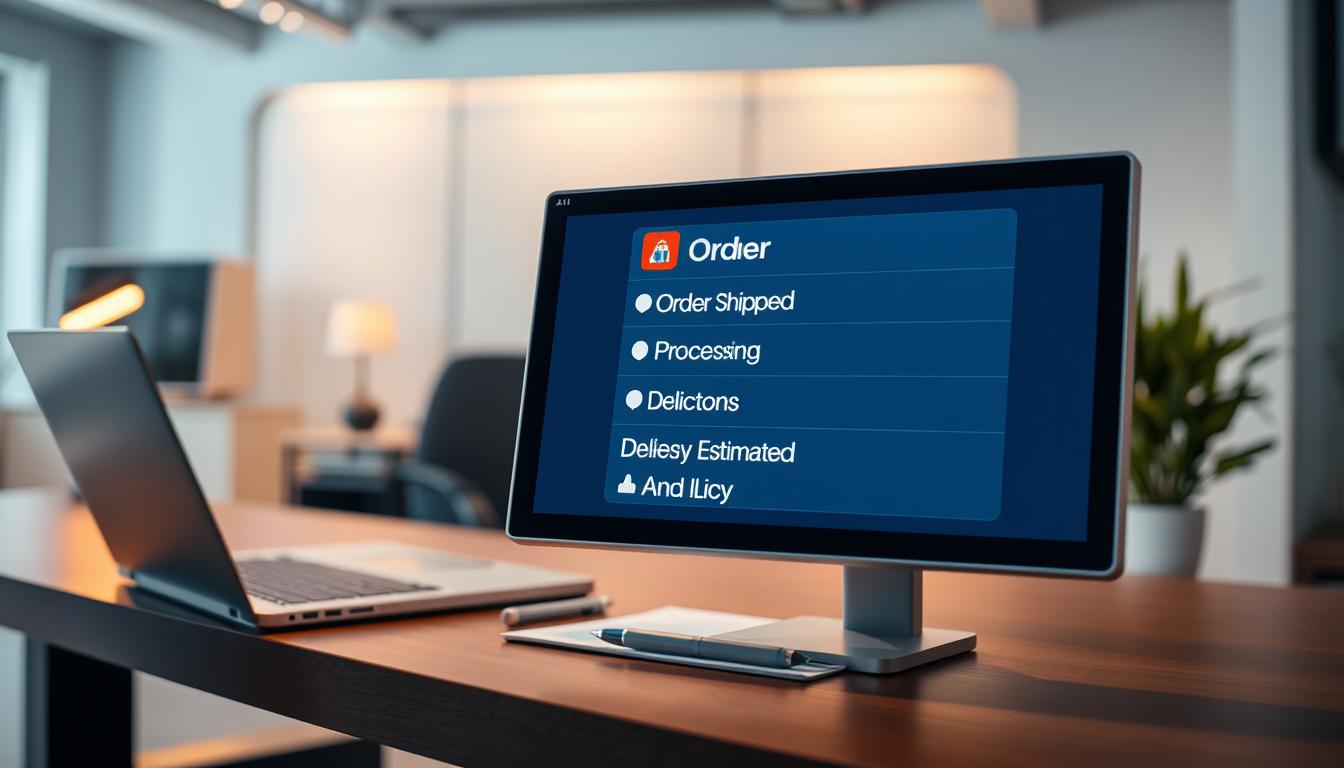
A chatbot answers repetitive customer messages so staff do not type the same answers all day. It sends order updates, shares size charts, and posts promotion details without delay.
Faster responses and business impact
Quick response time improves the customer experience and builds trust. Shoppers who get immediate answers about fit or delivery are more likely to complete a purchase.
Support workload and sales
With routine questions handled, your support team can focus on damaged items, payment issues, or VIP styling help. That shift raises productivity and can convert leads into sales.
Common inquiries ideal for automation
- Sizing and fit guidance
- Stock by color and size
- Shipping costs and delivery estimates
- Order status and returns policy
- Store hours and promotion details
| Inquiry | Why automate | Benefit to business |
|---|---|---|
| Sizing & fit | Repeatable, quick answers | Reduces abandoned carts |
| Stock checks | High volume during drops | Handles many conversations |
| Order updates | Time-sensitive info | Frees customer support for edge cases |
Reality check: automation speeds routine work but escalates complex cases to humans for a better overall customer experience.
Plan your AI WhatsApp reply automation before you build
Map out goals, coverage times, and human handoffs before you build any conversation flows. Clear planning reduces time spent fixing flows later and improves the customer experience.

Define goals and agent boundaries
List operational goals: cut first-response time, extend coverage beyond store hours, and standardize answers for returns, shipping, and sizing.
Decide when a human agent must step in: disputes, payment issues, harassment, medical fabric concerns, or repeated dissatisfaction.
Map a simple conversation flow
Design a clear path for common journeys: product questions → add-to-cart confidence → order updates → returns/exchanges.
| Path | Key steps | Escalation |
|---|---|---|
| Product questions | Identify product, provide sizing and material details | Agent for complex fit issues |
| Order updates | Request order number/email, show status | Agent for fulfillment problems |
| Returns | Check eligibility, explain refund timeline | Agent for disputes |
Choose source information
Decide what the system can use: website content, product pages, shipping and returns policies, FAQs, and SOPs. Keep one source of truth and update it when policies or product details change.
Choose the right tools for WhatsApp Business automation
Find platforms that let store staff manage flows without developers while also handling free-form customer queries. This balance keeps promotions nimble and reduces downtime during product drops.
No-code chatbot builders for message flows
No-code builders let retail teams build and update messaging without code. Platforms like Manychat offer free tiers and paid plans from $15/month. They support structured flows, keyword triggers, and built-in live chat for quick handoffs to your support team.
AI auto-reply options that learn from your content
Trainable services such as Relevance AI can index your product pages, FAQs, and policies. They answer broader questions that were not pre-written as keywords and reduce escalations to agents.
Features to evaluate
- Live chat handoff: open the conversation to a human agent fast.
- Team assignment: route conversations to the right support team member.
- Multi-device chat access for synchronized web and mobile use.
- Integrations with eCommerce, CRM, and scheduling tools.
| Tool type | Best for | Real-world note |
|---|---|---|
| No-code builders | Structured flows, fast edits | Manychat + live chat handoff |
| Trainable responder | Open-ended shopper questions | Relevance AI via Make.com |
| Hybrid stack | Both tight policy answers and discovery | Use both for coverage and guardrails |
When to use keywords vs generated answers
Use keyword-based replies for compliance-heavy topics like returns, refunds, and specific store policies. These keep branding and legal language tight.
Use generated responses for styling help, discovery questions, or requests like “show something similar.” Always set escalation rules so a bot hands over to a human when confidence is low.
Connect WhatsApp Business to your automation platform
Start by linking your platform account so customer messages route into your workflows.
Create an account on the automation platform and choose whatsapp business as the channel. Sign in (Manychat: sign in with Facebook), then pick the channel that matches your store phone.
Create an account and select WhatsApp as the channel
Choose a free or paid plan and select the messaging channel during setup. This step prepares the system to accept incoming chat and outgoing message templates.
Connect your phone number via Meta Business Account
Link a Meta Business Account and create or pick a WhatsApp Business account and profile. The official business name must match your legal store name to avoid delays.
Verify the number and confirm status
Verify the store number with the SMS or call code. Then check platform settings: Number Status: Connected and Account Status: Approved.
- Prepare business name, category, address, support email, and website URL.
- Keep the phone available for the verification code during setup.
- Expect incoming conversations to trigger flows and route to the right user or agent.
| Step | What to do | Expected result |
|---|---|---|
| Platform account | Create account, choose whatsapp business | Channel ready for configuration |
| Meta link | Attach Meta Business Account and profile | Business identity verified |
| Number verification | Enter code from SMS or call | Number Status: Connected |
| Final check | Confirm Account Status: Approved | Messages route to platform flows |
Build your auto-reply chat flows for customer support and sales
Craft structured conversation paths so shoppers find product info fast and agents handle exceptions.
Create a greeting that sets expectations
Greeting structure: say hello, disclose the bot, list hours and expected response time, offer human help, and invite the user’s question.
Example: “Hi — I’m the store assistant. I can help with sizes, orders, and returns. If needed, I’ll connect you to a human agent.”
Set keyword triggers for high-intent moments
Use triggers like “return policy,” “refund,” “exchange,” “store hours,” “order status,” “shipping,” “size chart,” and “restock.” These guide customers to fast, relevant answers and boost conversions during sales.
Use message conditions to improve accuracy
Pair triggers with conditions. For example, trigger on “return” or “refund” and add a condition such as “policy” or “eligibility” to avoid wrong responses.
Add buttons to confirm resolution
Include buttons like “Yes, it does!” and “No, I need help” after key answers. This reduces back-and-forth and shortens conversations.
Hand off to a human support agent
When escalation is needed, mark the conversation open, assign it to a team member, and notify assignees so nothing sits unattended. Keep agents informed with the user’s last messages and order number when available.
Keep responses consistent and transparent
Standardize language for returns, sizing disclaimers, and shipping times. Be clear the user is chatting with a bot and show a simple path to a human for sensitive or unresolved issues.
“Transparency and clear escalation protect the customer experience.”
If you need help building flows or want a walkthrough, contact us.
Add AI to answer more questions using your store data
Add a trained agent that reads your product pages and policies so it can answer new shopper questions in natural language.
What changes: instead of only matching keywords, the system references product pages, FAQs, size charts, shipping timelines, and internal policies to generate faster, richer responses.
Train the agent by uploading URLs and documents. Index size charts, fit notes by brand, fabric care, regional delivery times, returns rules, and seasonal promotion terms. This creates a single knowledge base the agent uses for inquiries.
Connect your chatbot to the knowledge layer with a no-code workflow (for example, Make.com). When a message does not match a known flow, the Default Reply routes it to the agent. The agent returns an answer, which is stored in custom fields and sent back to the user.
Guardrails and escalation: restrict answers to approved sources, require internal citations for policy text, and avoid guessing on inventory or legal topics. Escalate to a human agent for repeated confusion, negative sentiment, refund disputes, payment issues, or low confidence.
“Instant, accurate responses can boost lead capture, increase revenue through cross-sells, and free staff for higher-value work.”
Conclusion
Close the project by bringing your flows live, verifying phone status, and watching real messages to learn fast.
Strong, focused launch steps: plan coverage and escalation, pick tools, connect via Meta, publish a greeting, build keyword flows, then add a trained layer and a clear human handoff.
The main value for your clothing business is speed: faster reply times lift customer satisfaction and reduce repetitive work so staff focus on higher-value tasks that drive sales.
Use a hybrid model: let the whatsapp chatbot handle common questions and let a human take over for nuance, exceptions, or sensitive issues.
Before launch, confirm verified phone/number and approved status, test flows and default routing, and document the live handoff process. Go live, test with real customers, and monitor conversations to improve accuracy and outcomes.